










Rice is more than just food — it’s a way of life for billions of people. But while everyone eats rice, not everyone eats the same type. Long, medium, and short grains each have unique characteristics that drive demand in different regions.
For importers, distributors, and wholesalers, understanding these preferences is key to building trust with buyers, optimizing shipments, and making profitable choices.
🌾 Long Grain Rice: The World’s Favorite
Slender and elegant, long grain rice stays separate and fluffy when cooked. It is the most traded rice globally and a staple in many regions.
Key Buyer Insights
Where It’s Popular: Middle East, Africa, Europe
Why Consumers Love It: Perfect for biryani, pilaf, fried rice, and large family meals
Buyer Advantage: High turnover, stable demand, multiple sub-varieties (Basmati, Jasmine, Parboiled)
👉 If your market needs a bulk staple with consistent demand, long grain is your safest bet.
🌾 Medium Grain Rice: The Culinary All-Rounder
Medium grain rice is shorter and plumper, with a soft, slightly sticky texture. It soaks up flavors beautifully, making it the chef’s favorite.
Key Buyer Insights
Where It’s Popular: Mediterranean, South Asia
Why Consumers Love It: Works well for risotto, paella, and everyday meals
Buyer Advantage: Balanced demand from households, restaurants, and catering sectors
👉 If your customers want a versatile rice for multiple cuisines, medium grain delivers.
🌾 Short Grain Rice: The Specialty Option
Round, sticky, and chewy, short grain rice is not for everyone — but in the right market, it’s a premium product with strong margins.
Key Buyer Insights
Where It’s Popular: Japan, Korea, gourmet sectors worldwide
Why Consumers Love It: Essential for sushi, mochi, desserts, and specialty Asian dishes
Buyer Advantage: Smaller but high-value niche, growing in demand with global sushi culture
👉 If your buyers supply gourmet restaurants or Asian retailers, short grain is a strategic niche.
🌍 How Grain Preference Shapes Markets
Middle East & Africa: Long grain dominates as a daily staple
Europe & Mediterranean: Medium grain supports traditional dishes like risotto and paella
Japan, Korea, Gourmet Markets: Short grain leads in specialty demand
📦 What Importers Should Consider Before Choosing
1. Usable Yield & Margins – Long grain = bulk stability, medium grain = balance, short grain = higher per-ton value.
2. Freight & Container Utilization – Long grain often shipped in 40 ft FCLs for bulk; short grain often in smaller volumes but higher return.
3. Packaging Options – 25–50 kg PP or BOPP bags for wholesale, 5–10 kg packs for supermarkets, private labels available.
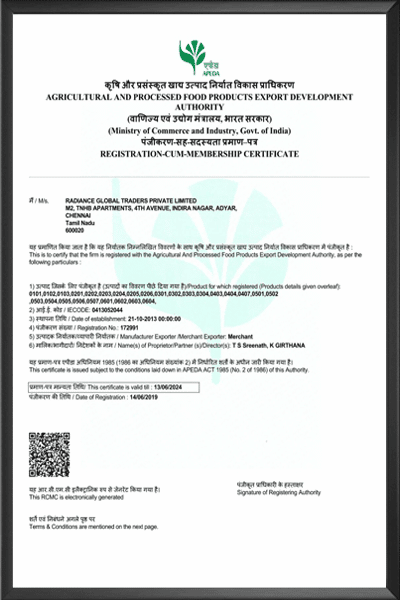
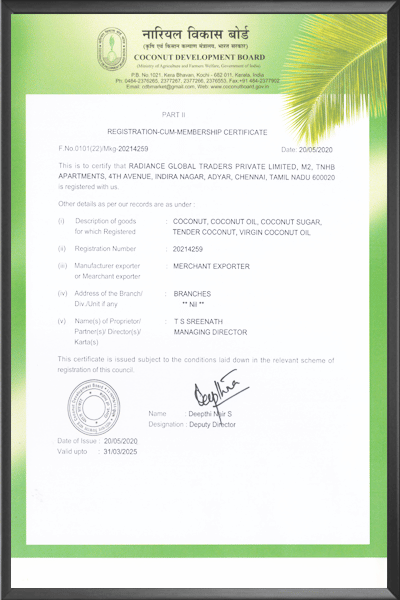
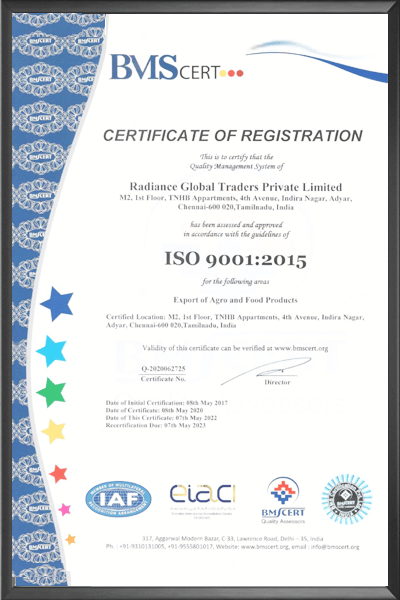
4. Compliance & Certification – FSSAI, SGS, Phytosanitary Certificates, fumigation, CIQ/AQSIQ compliance for Asia, and other region-specific documentation.
5. End-Market Segment – Household consumption vs. foodservice vs. gourmet retail.
❓ Importer FAQs
Q1. Which rice type guarantees the highest turnover in wholesale markets?
👉 Long grain, due to global demand and bulk stability.
Q2. Which is most profitable for niche markets?
👉 Short grain, thanks to its premium positioning in gourmet and Asian cuisines.
Q3. Which is the most versatile for foodservice distributors?
👉 Medium grain, as it suits both households and restaurants.
Q4. What packaging options do importers prefer?
👉 Bulk: 25–50 kg PP/BOPP bags; Retail: 5–10 kg packs with private labeling.
Q5. Do all types meet international compliance?
Q5. Do all types meet international compliance?
✅ Final Thoughts
Every grain has its market:
Long Grain → Bulk demand & everyday meals
Medium Grain → Balanced & versatile choice
Short Grain → Premium niche for gourmet buyers
At Radiance Global Traders Pvt Ltd, we supply all major rice varieties with:
International certifications & compliance (FSSAI, SGS, Phytosanitary, fumigation)
Flexible packaging (25–50 kg PP/BOPP bags, custom retail packs, private labeling)
Global logistics expertise (FCL/CIF shipments to Middle East, Africa, Europe, and Asia)
💡Every market has its grain — the key is choosing the one that fits your buyers best.


